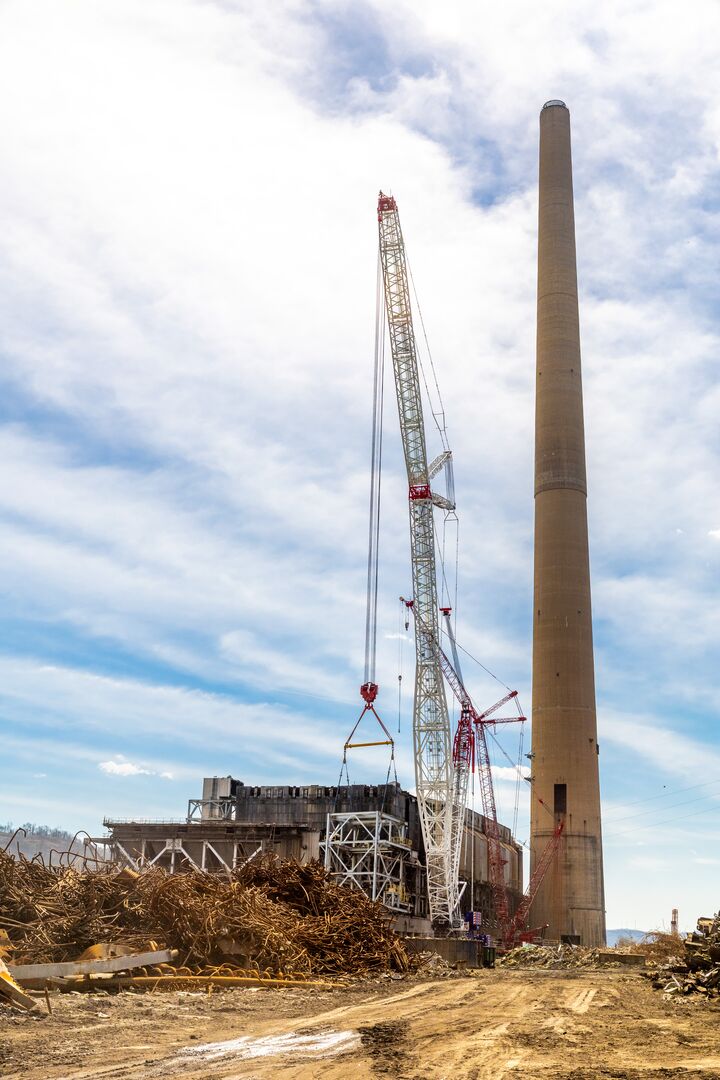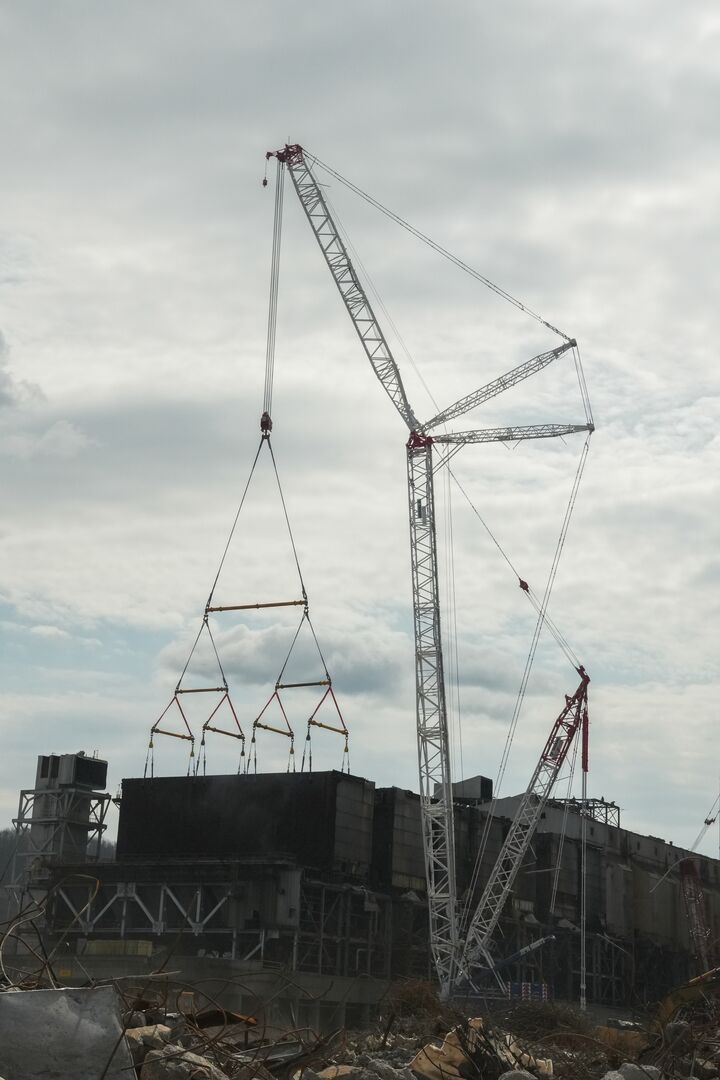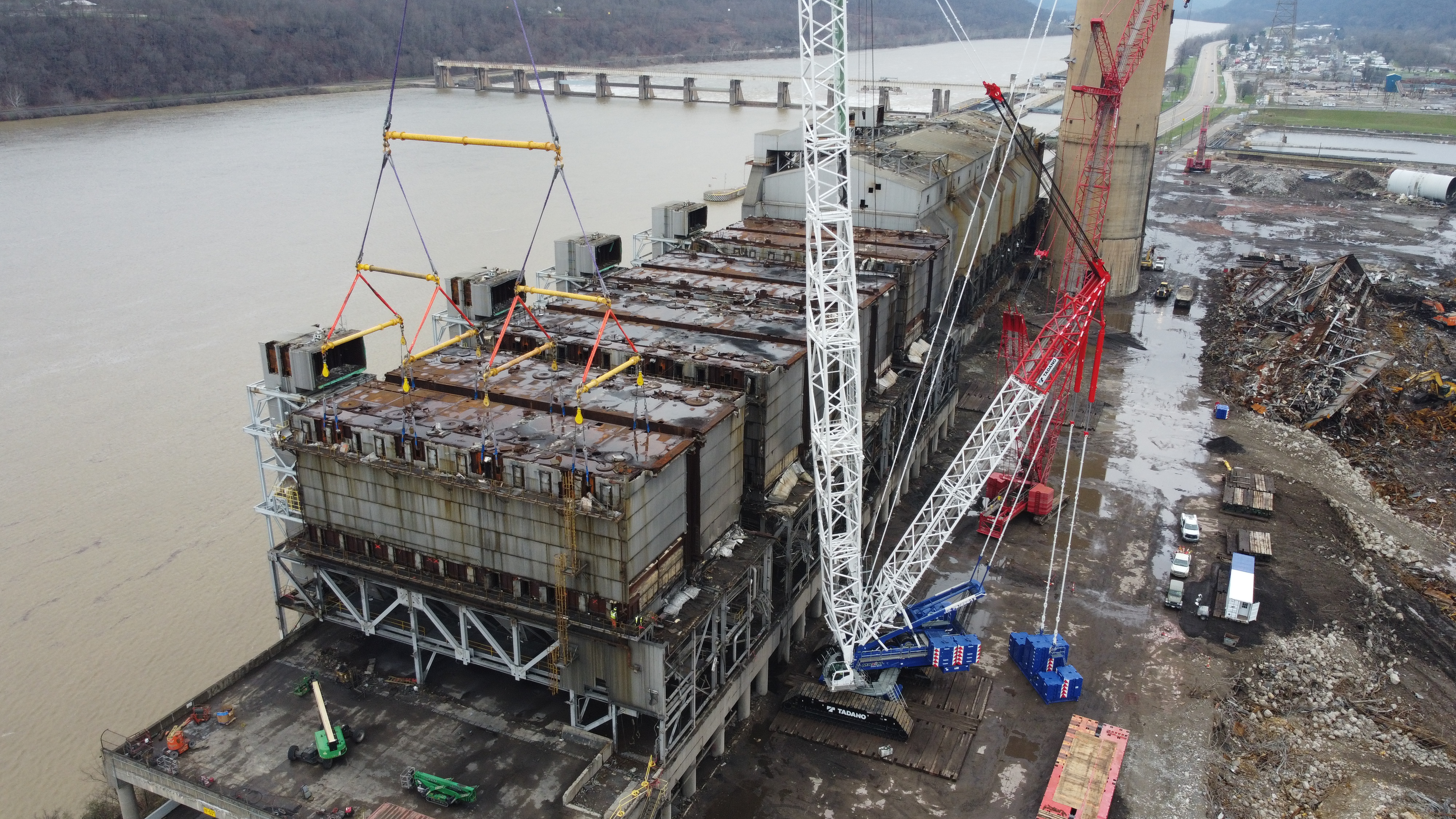
All critical infrastructure has a productive lifecycle. First generating power in 1960, the coal-fired W.H. Sammis Power Station served the Eastern Ohio community of Stratton well over its 60-plus-year lifespan. However, it was time to retire yesterday’s 2.2-gigawatt technology for redevelopment into a more modern energy and data center campus that includes large-scale onsite power generation and battery energy storage systems to store renewable energy.
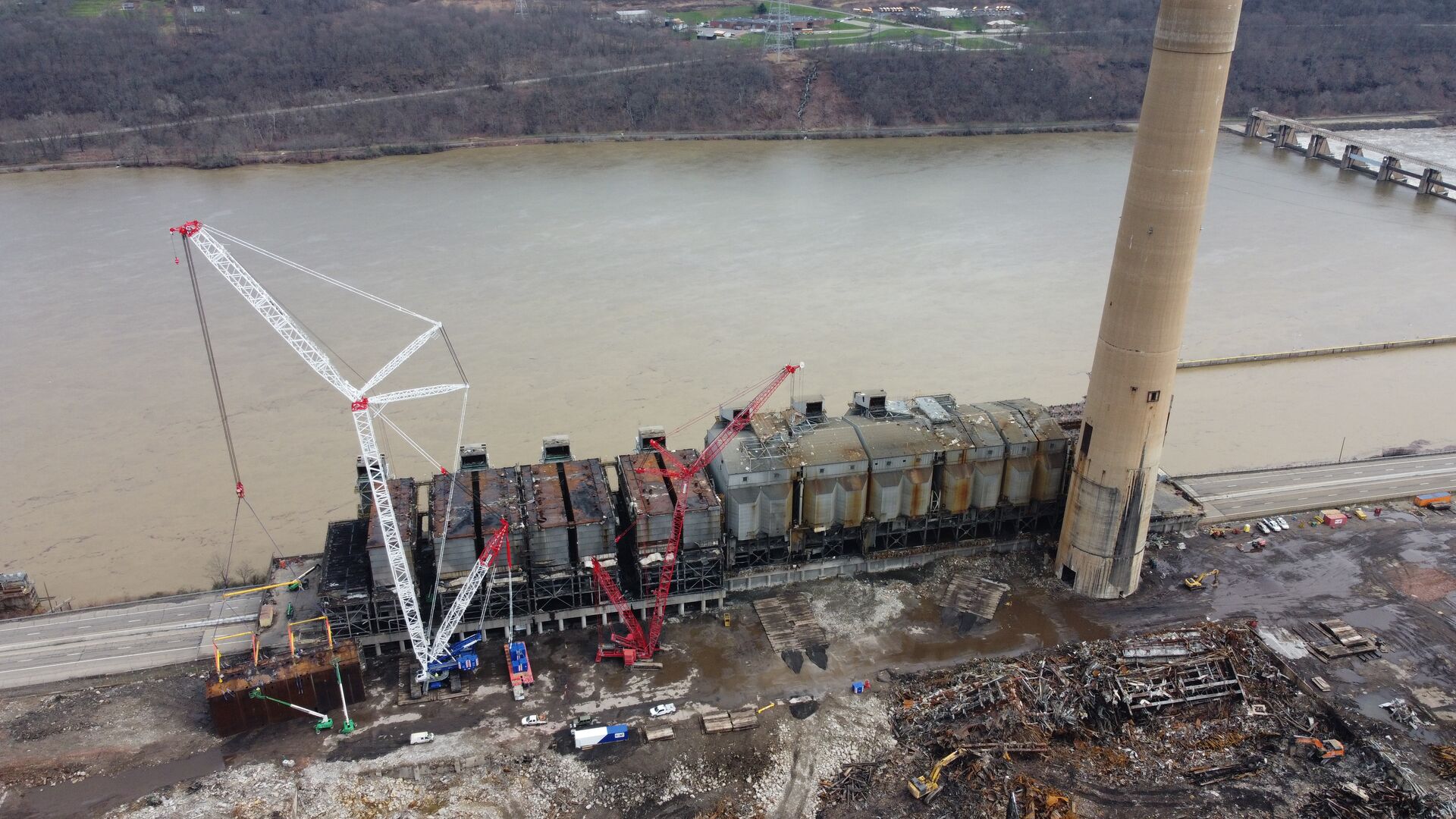
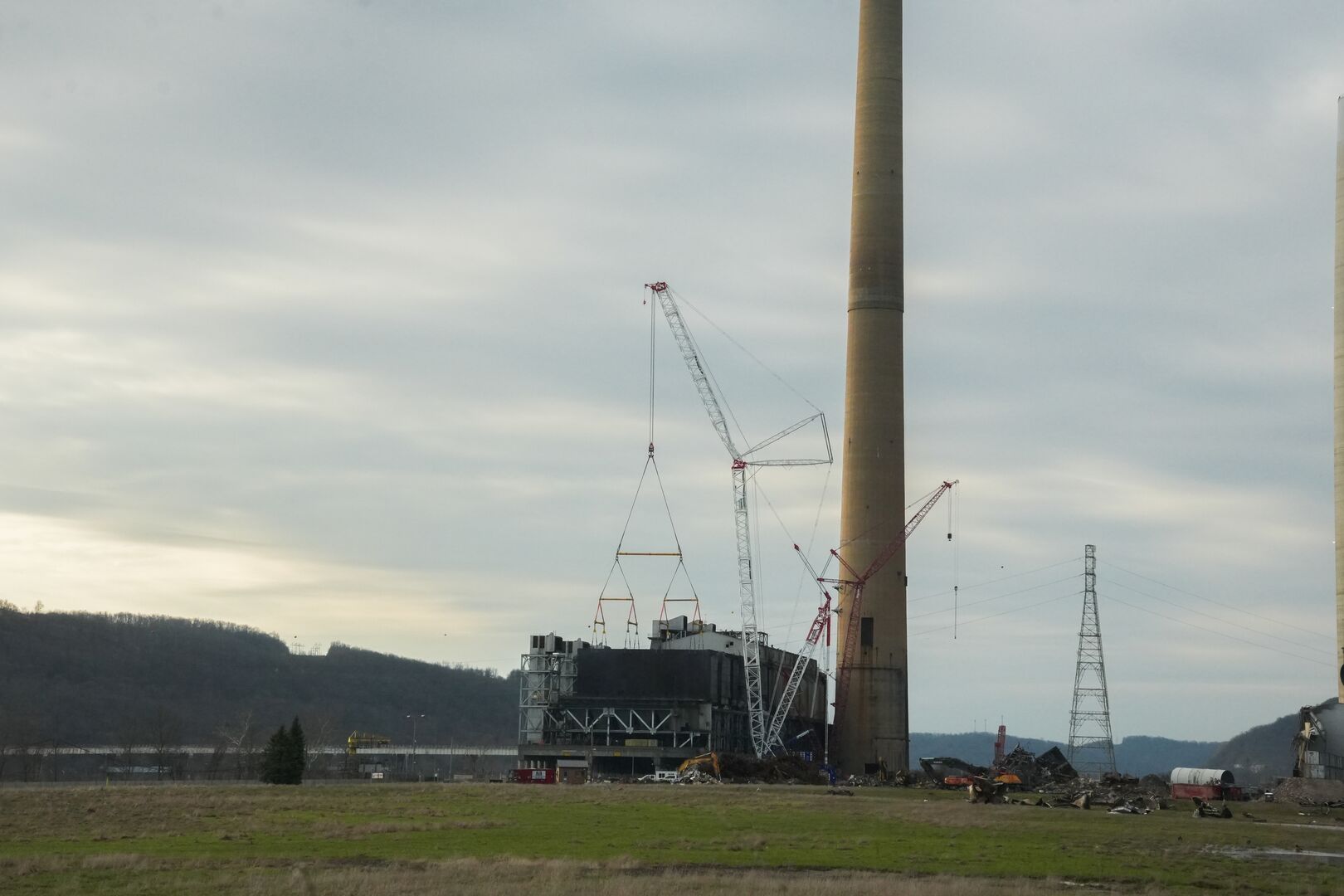
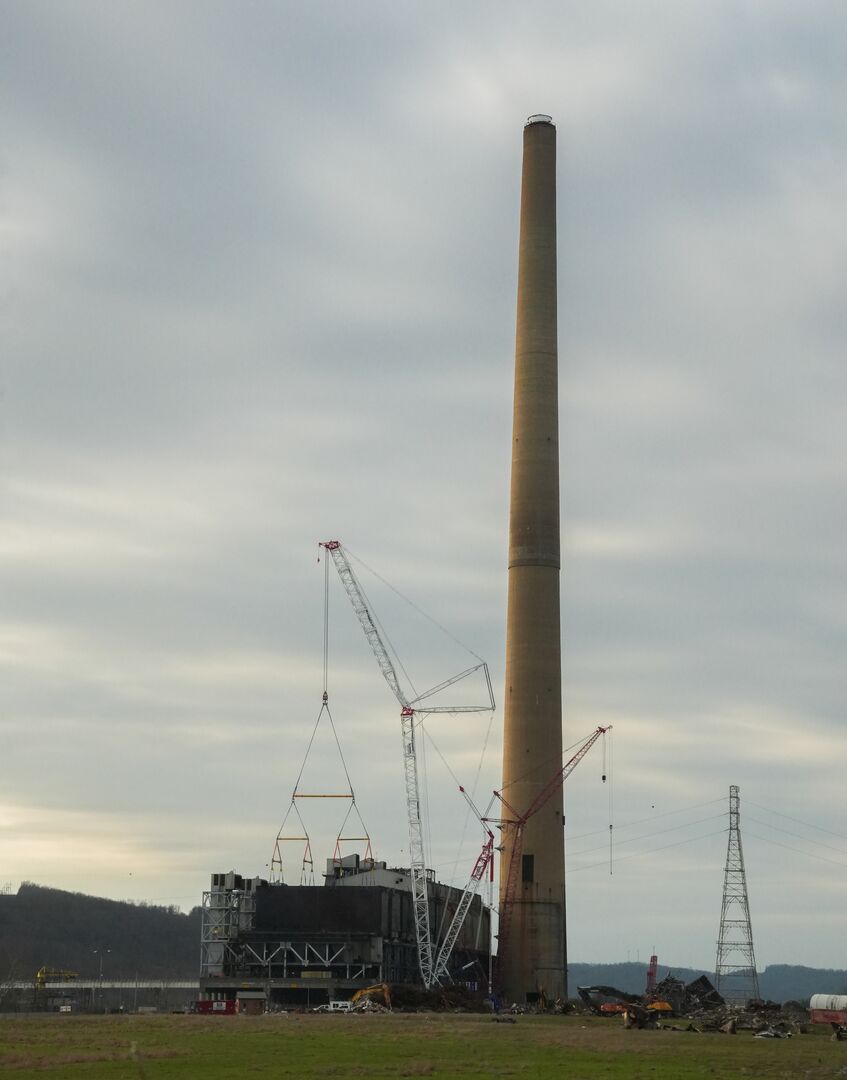
Officially fully decommissioned in 2023, demolition work of the seven power units, five chimneys and multiple baghouses on site is being completed by B&B Wrecking of Cleveland. Most structures are carefully being brought down by a series of controlled implosions, allowing for the use of smaller cranes up to 750-ton (700 tonnes) crawlers for dismantling and removal.
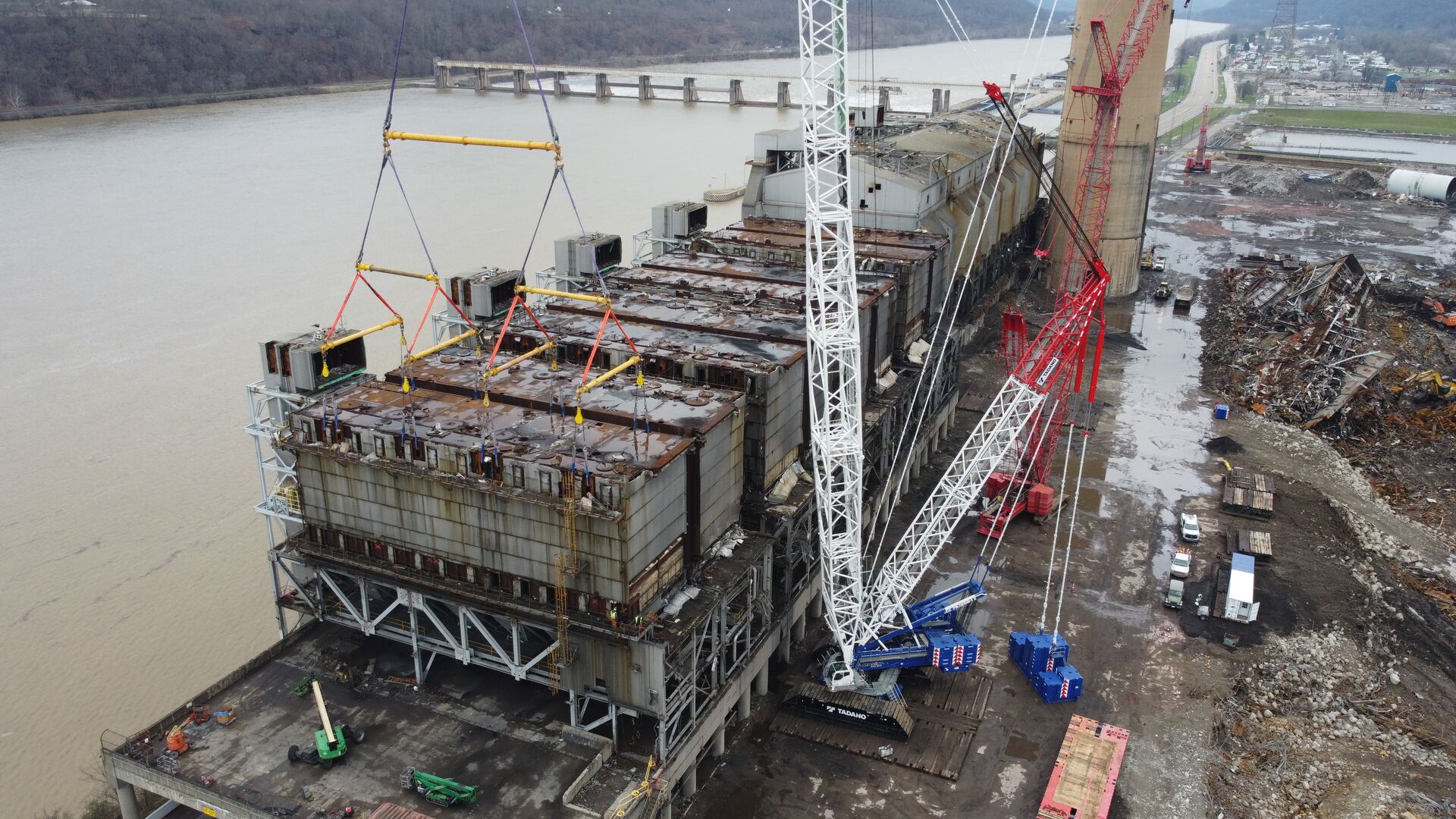
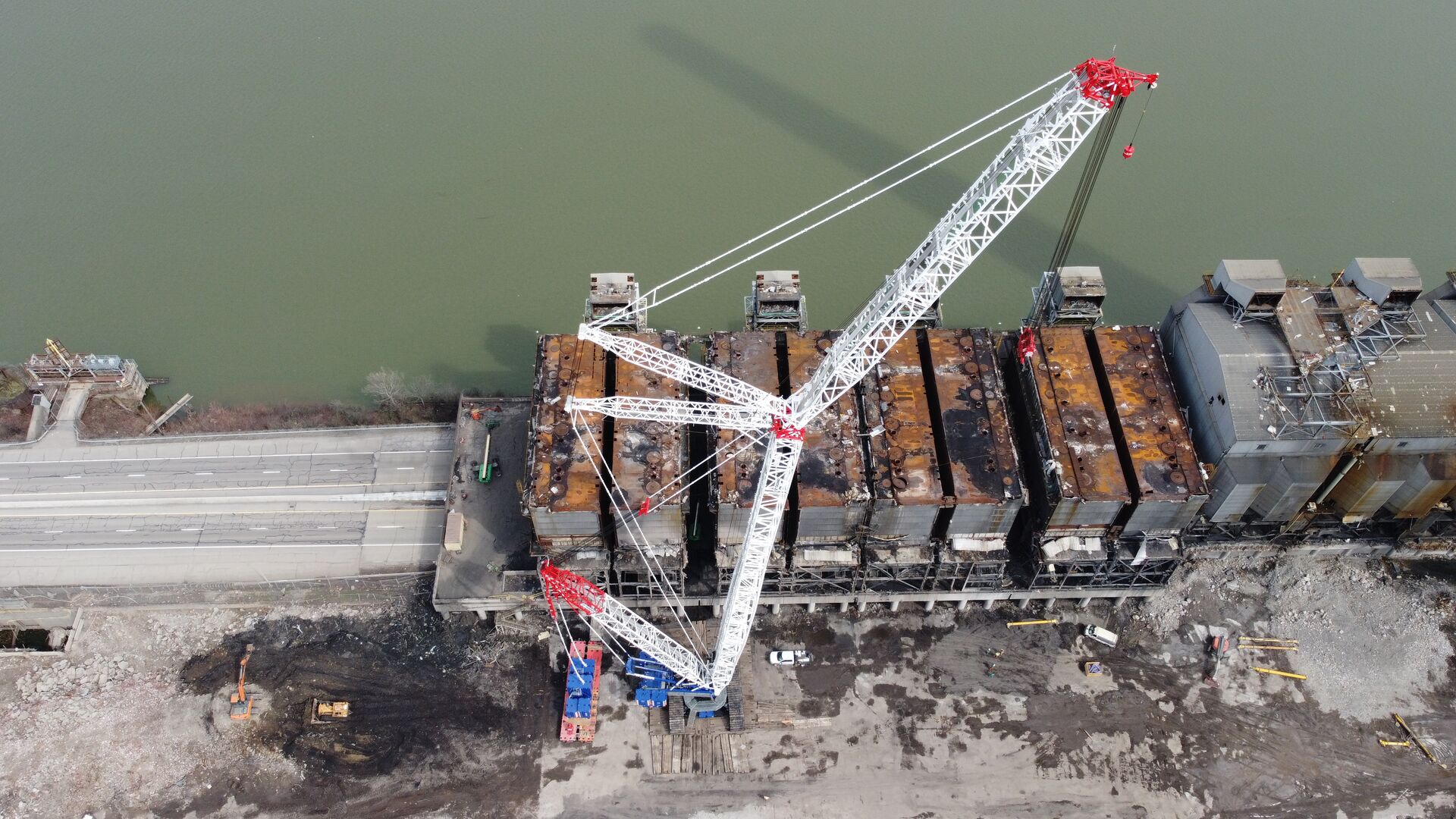
However, multiple baghouses sit perched atop a tunnel bridge deck running above Ohio Route 7 along the Ohio River. Removal of these structures requires surgical precision to ensure safety.
“This is more of a dismantling than demolition because of the sheer size, weight and stakeholder issues that we could possibly encounter,” explains Bryan Donatelli, Onsite Project Manager for B&B Wrecking. “There’s property all around us that is very fragile and important to the infrastructure. We must protect traffic, surrounding power lines, the waterways adjacent to the power station and the rail infrastructure.”
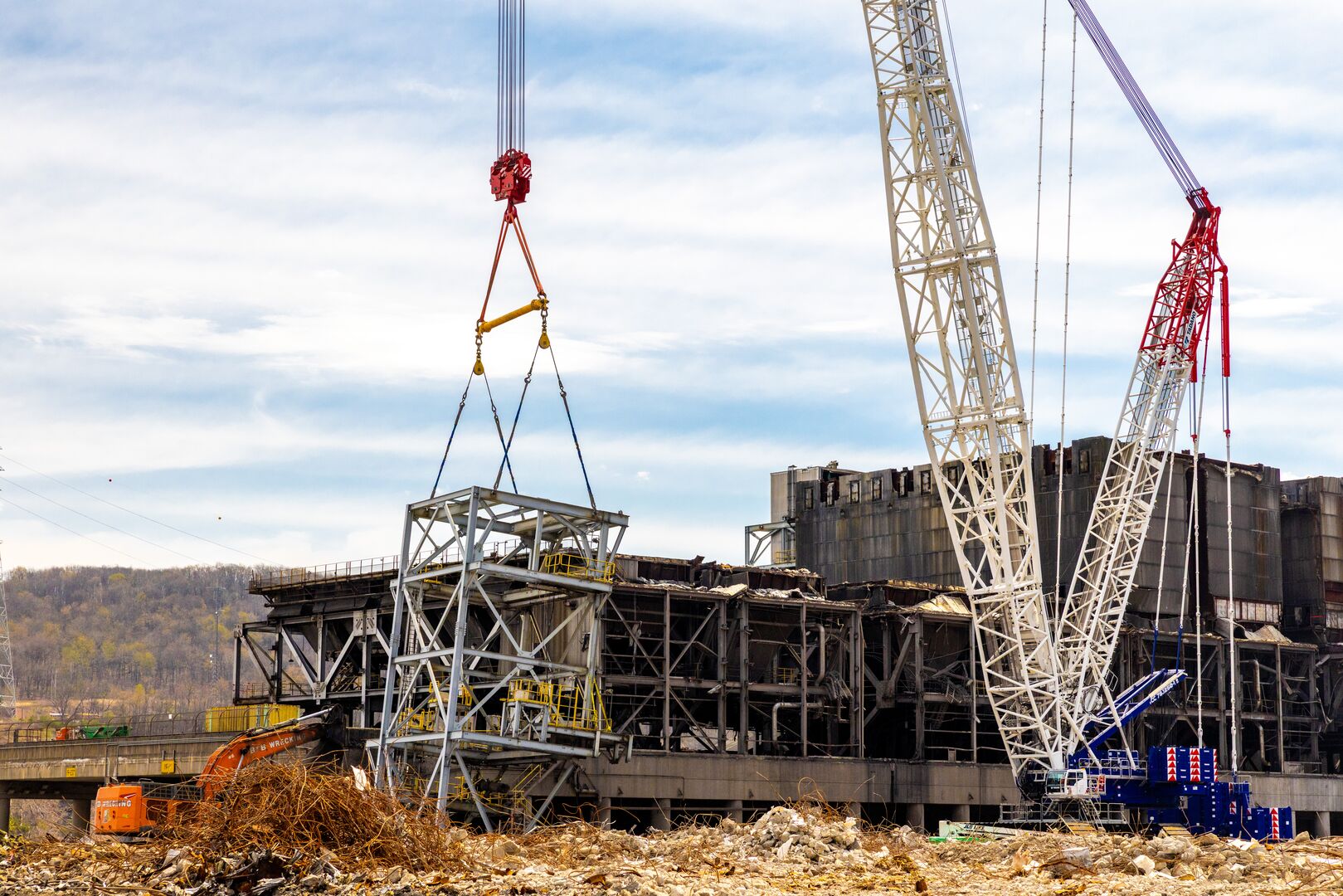
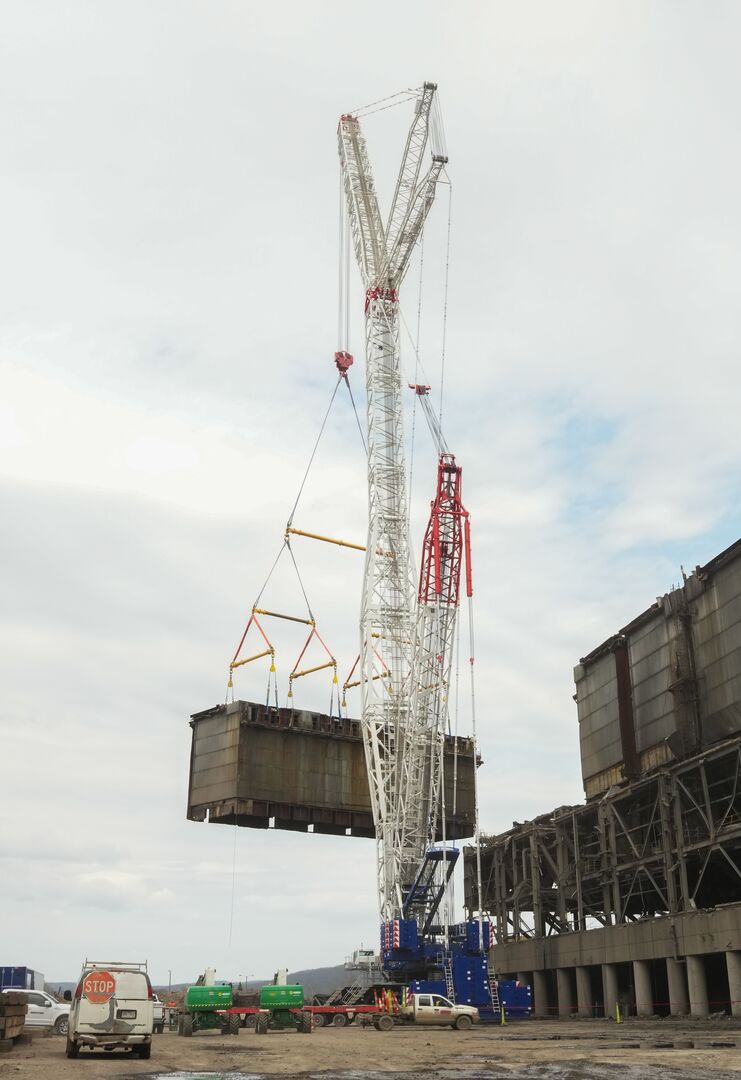
This required the baghouse and other remnants to be cut at height and brought down. Baghouse weight and size – in the 500,000-lb. (230 tonnes) range – posed a complication, and less cutting at height would help to increase safety at the job site. Considering all the factors, the crawlers up to 750-ton class size, supplied by Maxim Crane Works, Wilder, Ky., did not offer the reach or capacity to economically complete lifts of this size.
Initially, B&B looked elsewhere for a solution for the delicate dismantling project because Maxim Crane didn’t have the right crane in its fleet. “We offer crawler cranes ranging from 30- to 2,535-ton (30 – 2,300 tonnes) lifting capacity,” says Greg Bellcoff, VP of Fleet for Maxim Crane. “Still, we had a gap with nothing in the 1,100- to 1,400-ton (1,000 to 1.300 tonnes) range.”
This meant the heavy lifting solutions provider was missing out on key heavy infrastructure, industrial, girder, wind and steel projects. That was before company officials learned about a new crane design from Tadano that was a great fit for this project.
The right fit
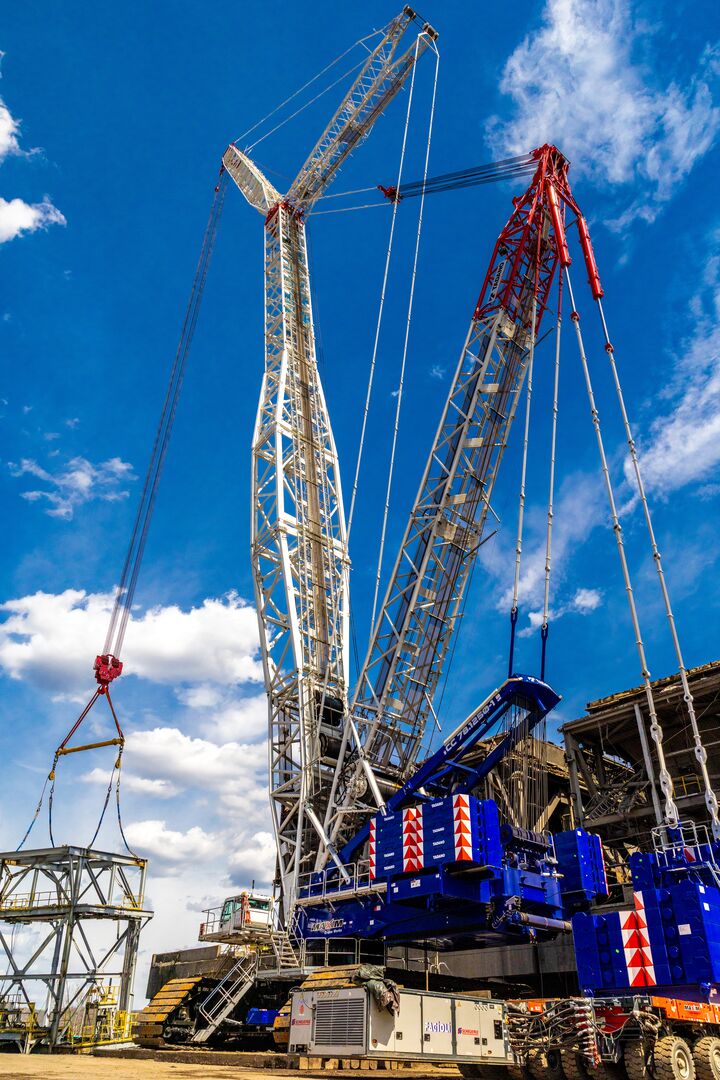
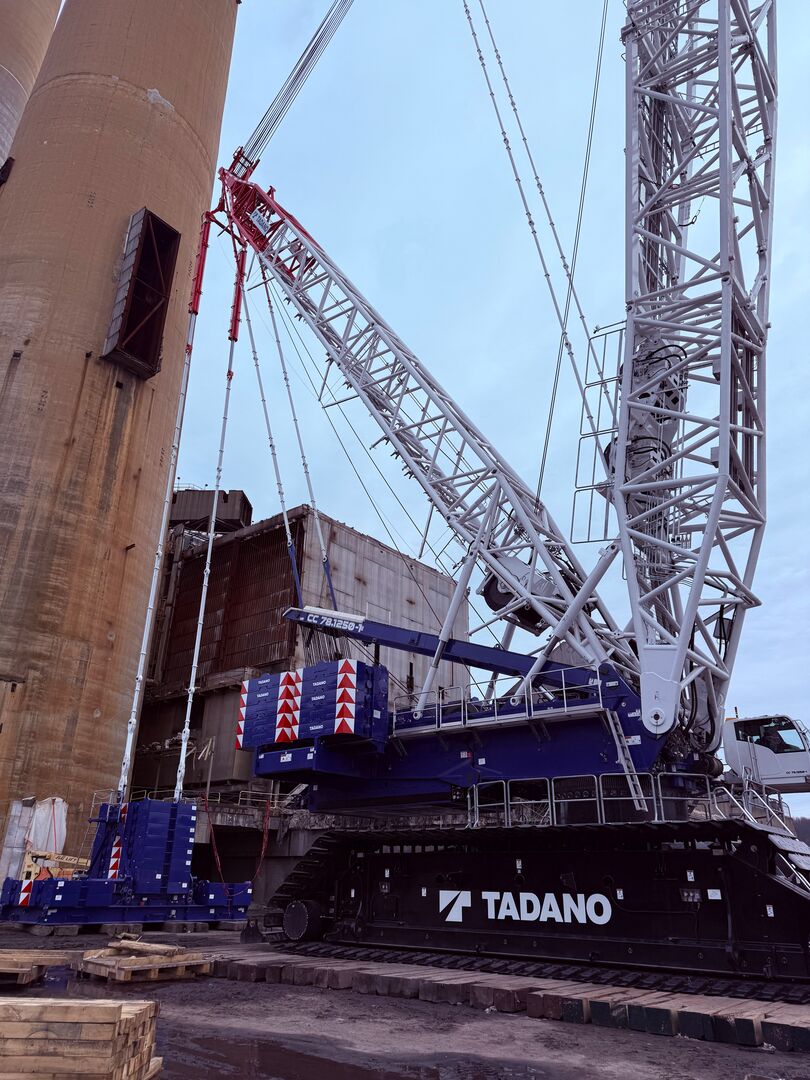
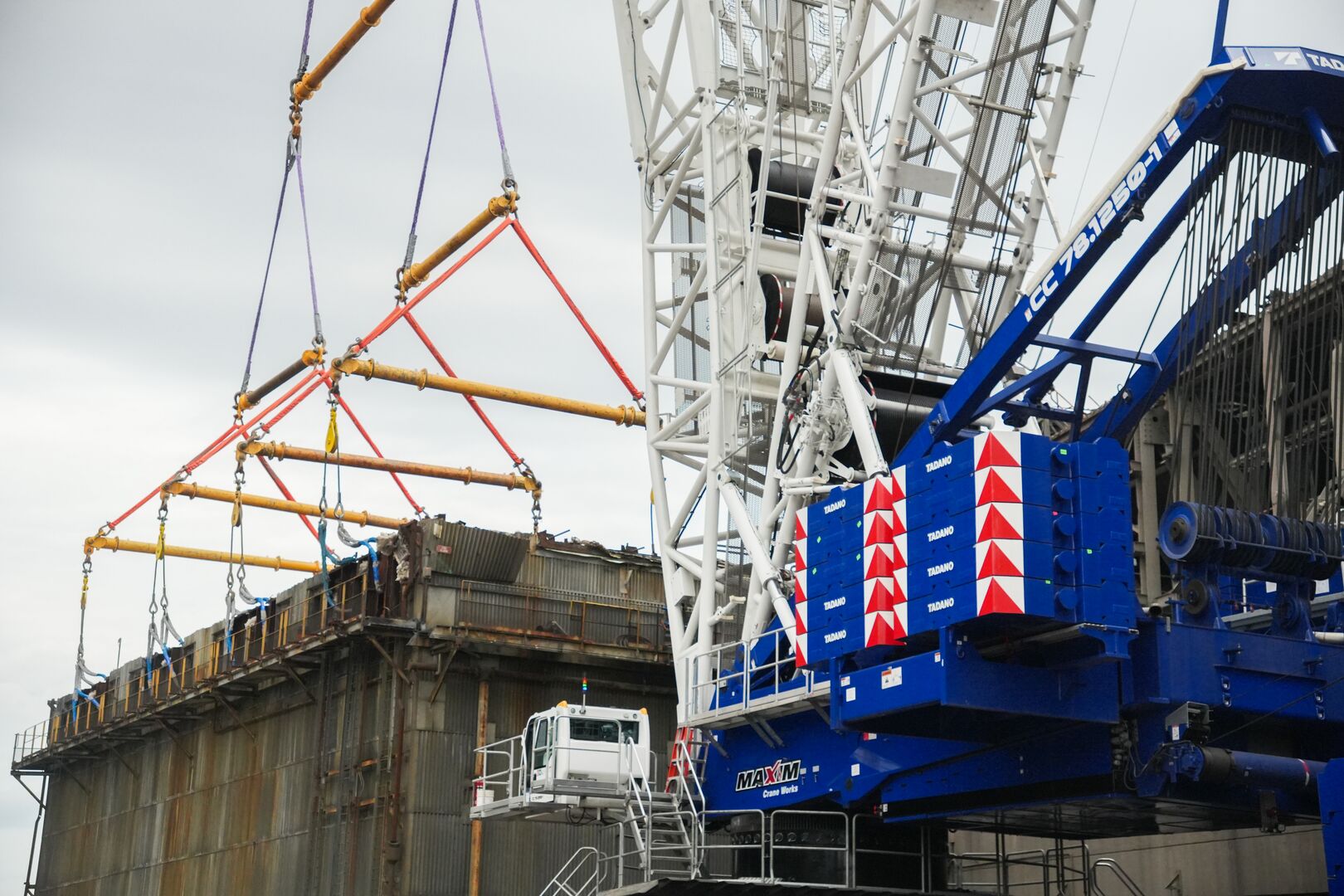
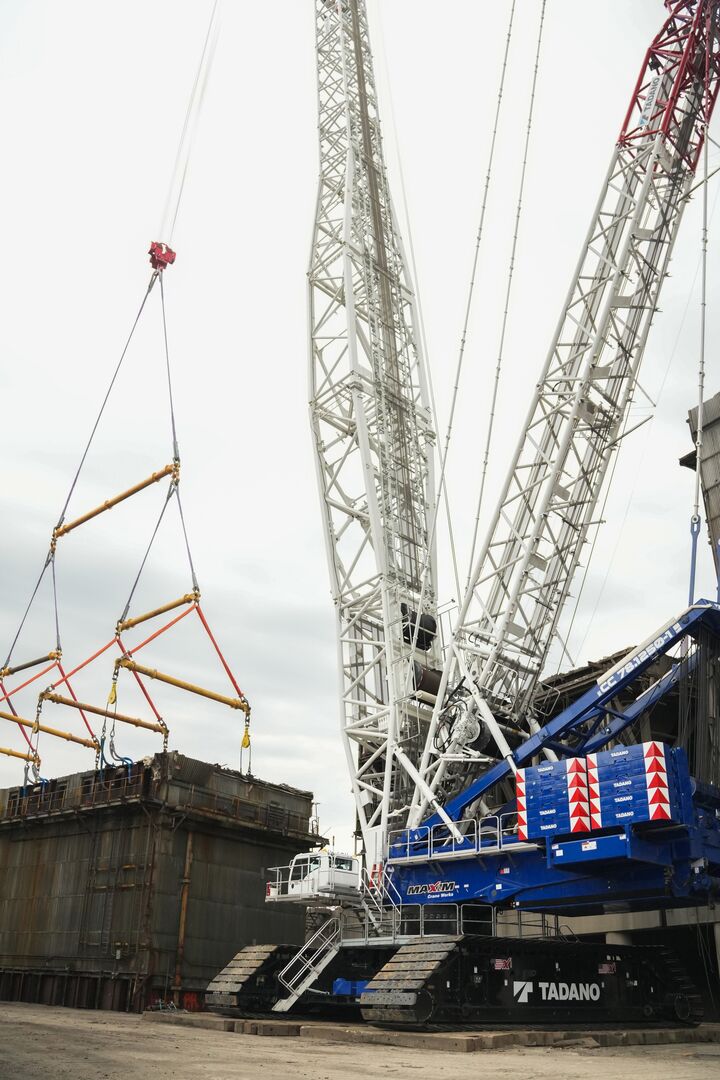
“When deciding on new or bigger fleet investments in our crawler fleet, we look at what the industry is doing today, what the demand looks like, what our customers are requesting and how that aligns with our strategy,” explains Dan Murray, VP of Crawler Cranes for Maxim Crane. “Our primary reasons for picking the CC 78.1250-1 were its high capacity, flexibility and easy transport.”
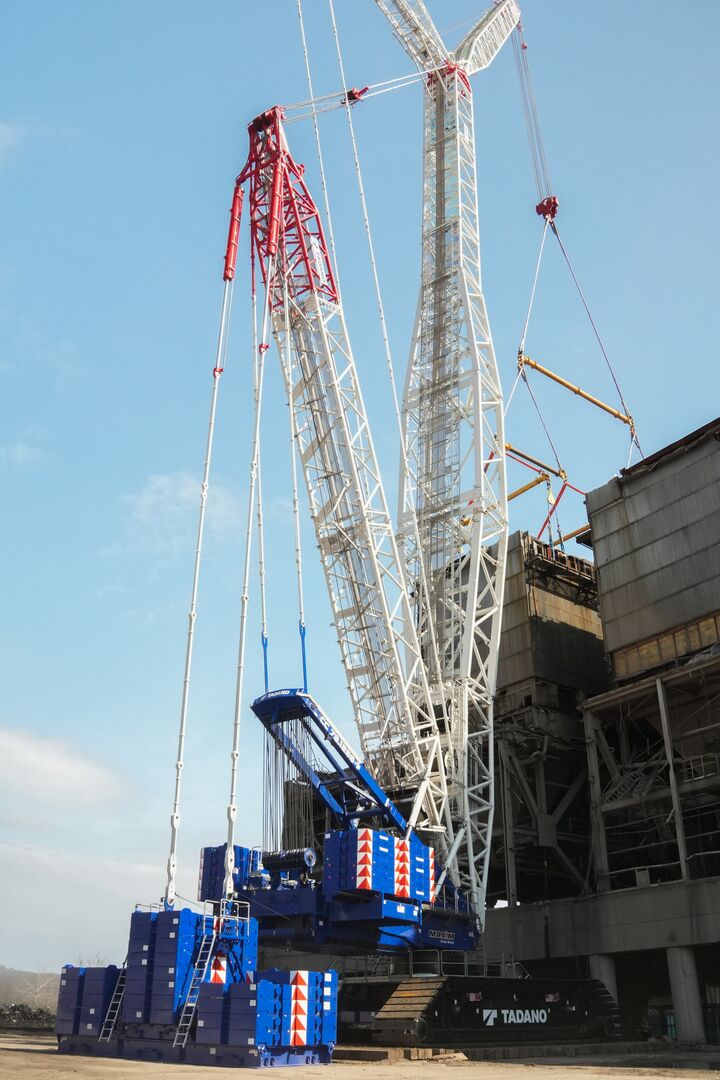
Maxim Crane is a large logistics company, who moves its own equipment. Even though owning the 1,375-ton (1,250 tonnes) class, CC 78.1250-1 crane was quite a jump in size; no new trailers were purchased to accommodate crane transport. “Load and size fit our heavy haul fleet very well,” says Bellcoff. Murray adds, “It fits well into our fleet and meets our customers’ needs.”
While the right crane for the W.H. Sammis project, Maxim Crane faced headwinds in winning the contract with the CC 78.1250-1. “Originally, B&B Wrecking had planned on working with another crane provider with a similar option,” recalls Murray.
However, B&B officials were open to change. According to Donatelli, Maxim offered the most to B&B in terms of equipment and planning for crane deliveries. “They were willing to purchase new equipment for what we were looking for. This really brought them to the forefront in the decision-making process.”
With this being the first job of the first CC 78.1250-1 crane, planning the lifts ahead of time posed a second challenge. “Without having the crane in our possession, we needed help with capacity and ground pressures, since part of the project bridges over the state highway,” explains Bellcoff.
“We were excited to work with the Maxim Crane team, go through the job and determine the right crane configurations to safely and economically complete the lifts,” says Lance Rydbom, VP of Product Management/Global CC for Tadano Pan America. Murray adds, “It was a true partnership between us and Tadano. They helped us land this first job.”
First in the world delivery
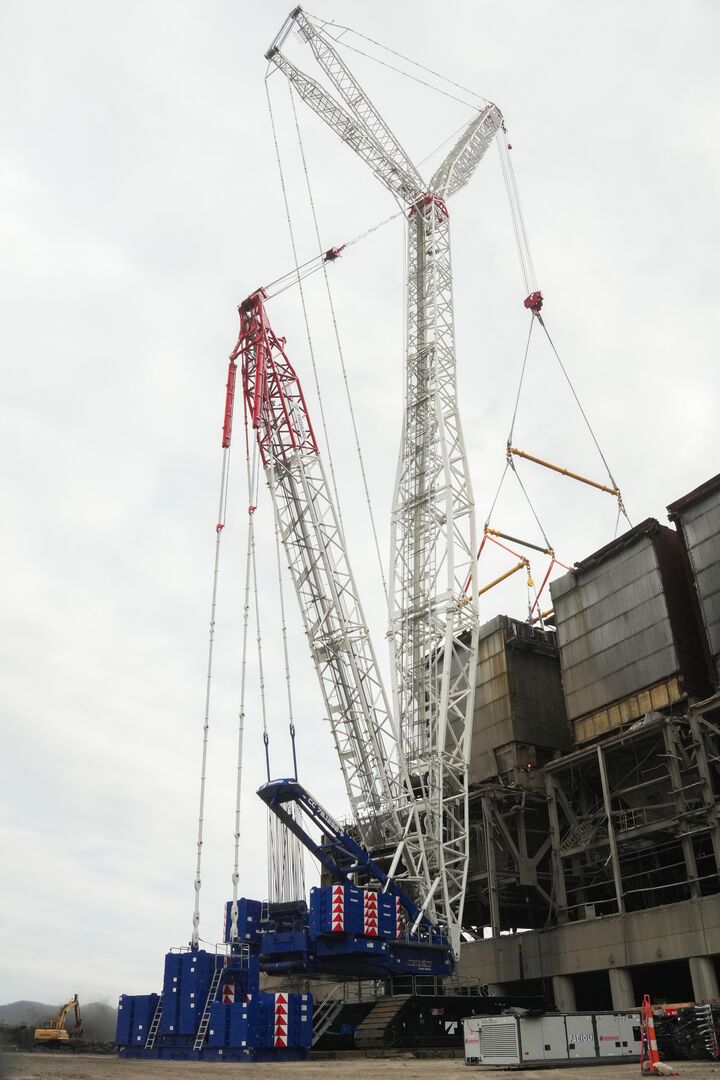
With the contract secured, Maxim had the crane shipped directly to the W.H. Sammis project site in Stratton. “We started building in early February,” recalls Patrick Steiner, Crane Operator for Maxim Crane. “This was our first experience with the CC 78.”
First experience or not, the crane needed to be assembled efficiently to keep up with the production schedule. “We don’t have downtime when prepping pieces, and the schedule is very tight and productive,” advises Donatelli. Steiner adds, “Tadano sent four guys to the site to help, and those guys clearly love what they do. They were very knowledgeable and helpful with crane set up and operation.”
Ease of transport and assembly was clearly an advantage for the CC 78.1250-1. Fitting well within the company’s standard transportation fleet, Murray mentions, “There’s nothing overweight or over-dimensional that we can’t handle. Everything breaks down to a very manageable size and weight, which makes it easy to transport.”
This includes the Boom Booster kit required for the project, which increases crane lift capacity by up to 30%. “Even though it has a 19.7-foot (6 m) width when working,” says Sönke Eichhorn, Service Trainer for Tadano, “it easily folds for transport, so it’s not an oversized load.”
Shipping the crane from port directly to the jobsite meant the component order received wasn’t exactly how Maxim Crane would do when going from a job or yard. However, this did not result in a delay in crane assembly, and B&B’s team was impressed by how quickly it was assembled.
“The way it came in and was laid out was very efficient. Each piece could be fitted the same day or very near in the future,” recalls Donatelli. “They gave us a window for assembly and beat the deadline by almost a week. It was very efficient, especially for model one and the first experience for Maxim and the crane itself.”
Making the picks
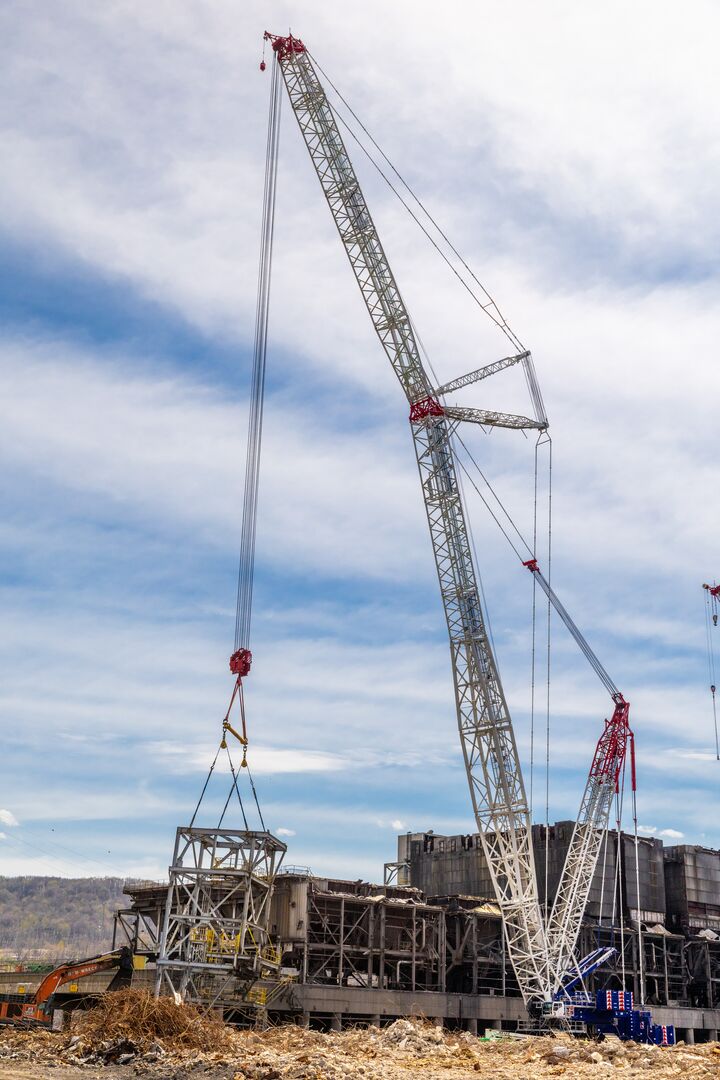
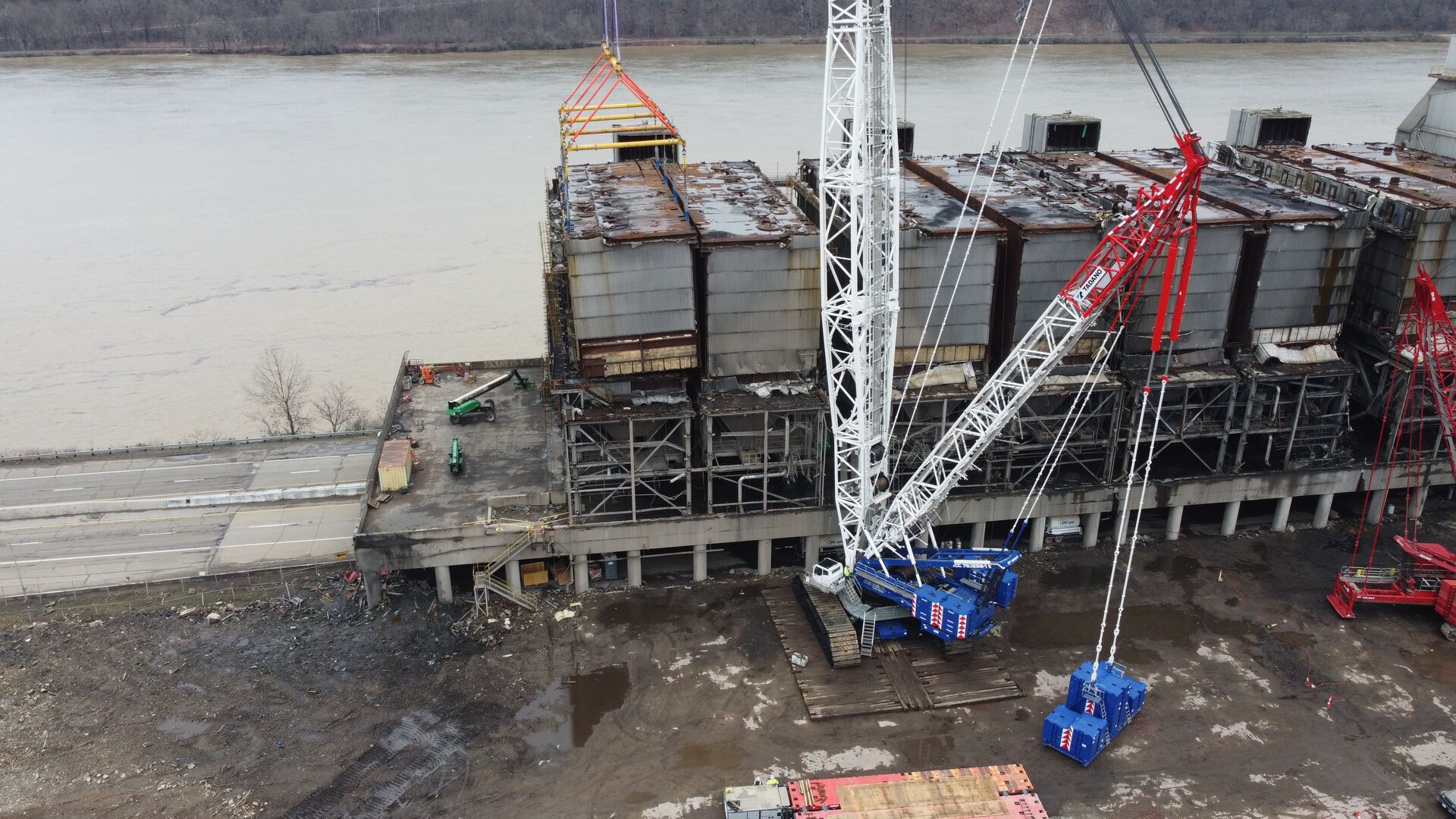
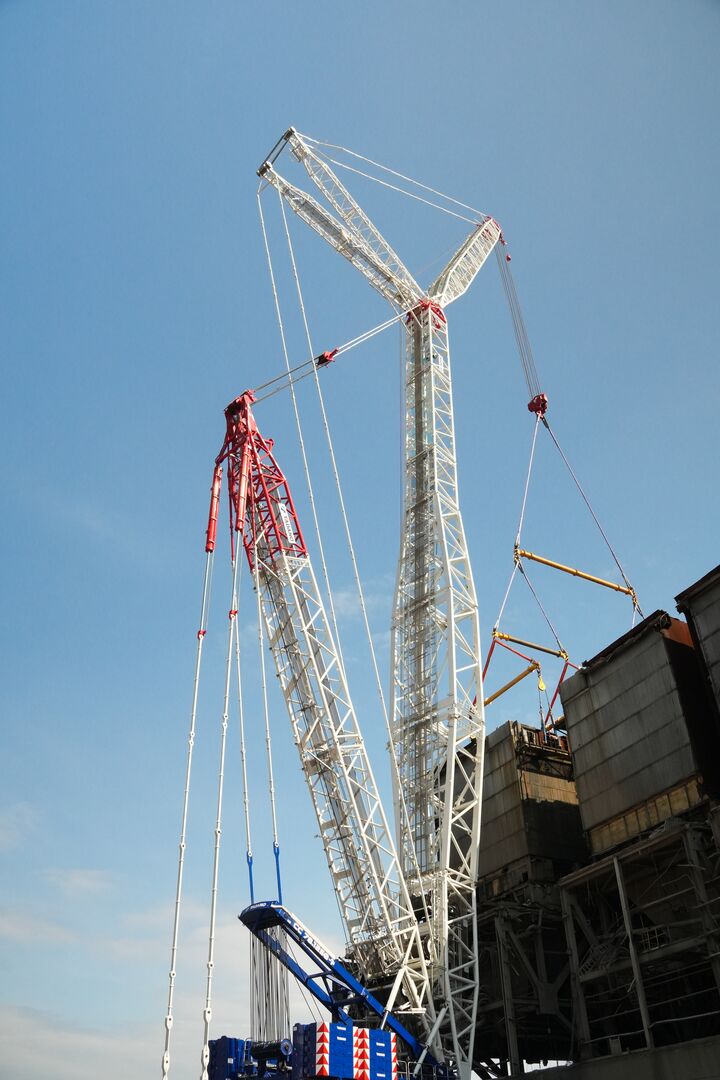
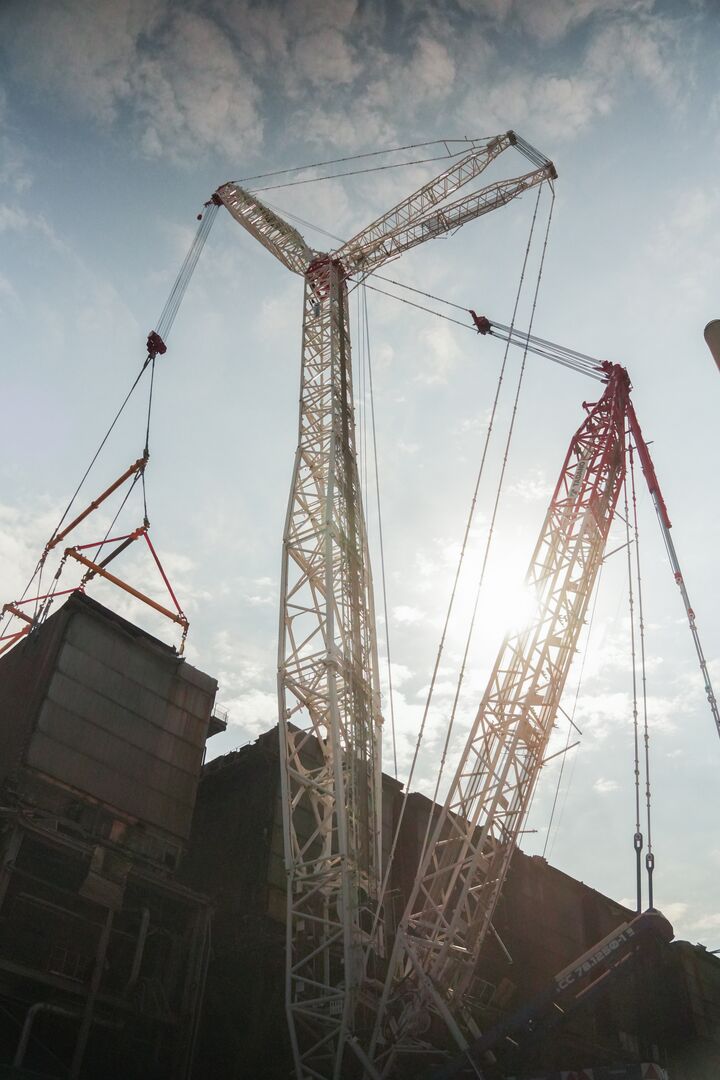
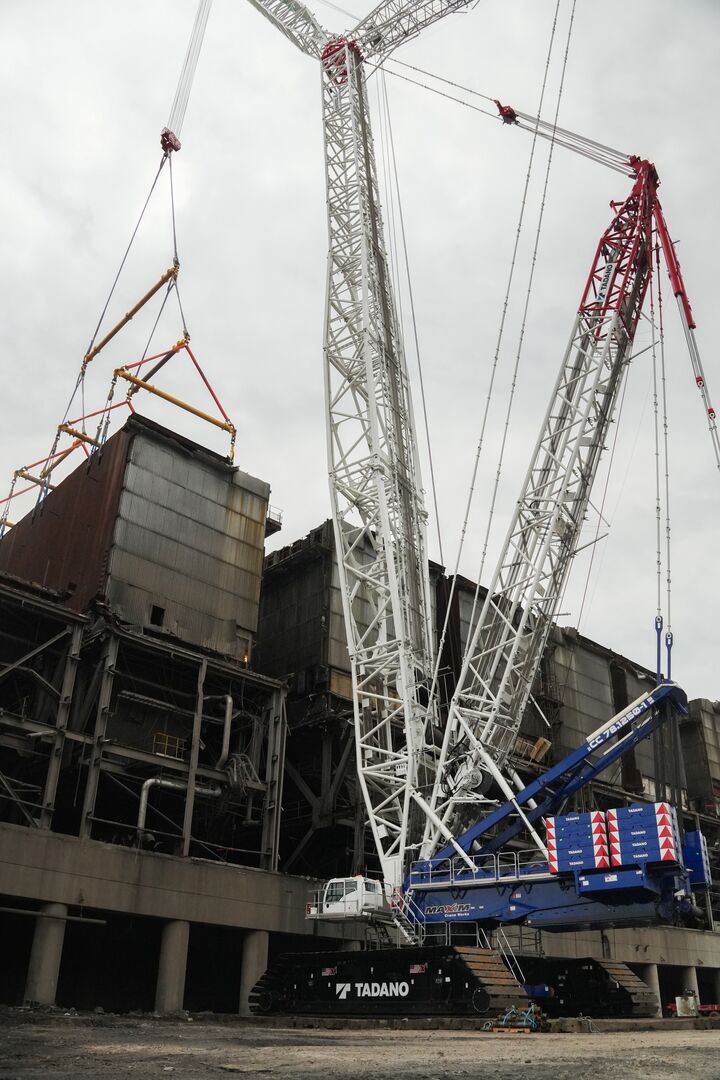
The new Tadano CC 78.1250-1 offers up to 687 feet (209 m) of main boom. For this project, 243 feet (74 m) of main boom was used, along with 157.5 feet (48 m) of luffing jib. The crew loaded 230 U.S. tons (208 tonnes) of main body counterweight plus 22 tons (20 tonnes) central ballast. The Superlift configuration included 138 feet (42 m) of Superlift mast at a radius of 69 feet (21 m) with 595 tons (540 tonnes) counterweight on the Split Tray.
“There were operating area constraints for the CC 78, and they needed to use the Split Tray,” says Josh Adamidis, crane operator for Maxim Crane. “For this job, the one that made the most sense was the Split Tray with the trailer.”
Rydbom explains that the Split Tray design optimizes efficiency by allowing quick disconnection of unnecessary counterweights that were required for boom assembly. “Our quick coupling technology simplifies counterweight removal, lowers the number of workers required and streamlines operations,” he says.
Tadano assisted with instructions on crane operation. Steiner, one of the first CC 78.1250-1 operators, commented that it was relatively easy to learn the Tadano IC-1 control system. “The system is very advanced, but it’s not hard,” he said. Eichhorn added, “The Maxim operators were very quick to pick up crane operation.”
Steiner first noticed the crane’s responsiveness when picking a load. “The crane is very responsive, comfortable and precise. You can bring the load down inches at a time, move the boom a quarter of an inch and swing left or right in very small amounts,” he says.
Comfort is provided by Tadano’s S-Pace cabin design, which is 5.3 feet (1.6 m) wide, 33% wider than previous designs. “You can sit in the cab for 10 or 12 hours a day. It’s a very comfortable machine,” adds Steiner. “The cab offers great visibility as well. Every angle offers a good view.”
The plan calls for the first pick location to be on one of the former chimney stack foundations. Operators are making 13 picks from this location and then moving to another chimney location for another 13 to 16 picks. A third location will be used for the final baghouse removal. “So far, the heaviest pick made was approximately 648,000 lb. (294 tonnes),” offers Steiner. While it doesn’t sound like much for the new Tadano crane, “The way we’re set up to make the pick, it was at 90% capacity, and the crane handled it like it was nothing.”
Maxim Crane projects the CC 78.1250-1 to be on site for roughly six months to dismantle the baghouses, and company officials don’t expect the crane to be idle very long. “We’ve had a lot of interest and requests around the refining, petrochemical, large-scale projects and large steel projects in all areas of the country,” says Murray. “Adding this crane to our fleet shows that we’re taking the steps necessary to adapt to the industry with everything becoming larger and projects becoming bigger. We chose Tadano because of the partnership and collaboration between our two companies.”